
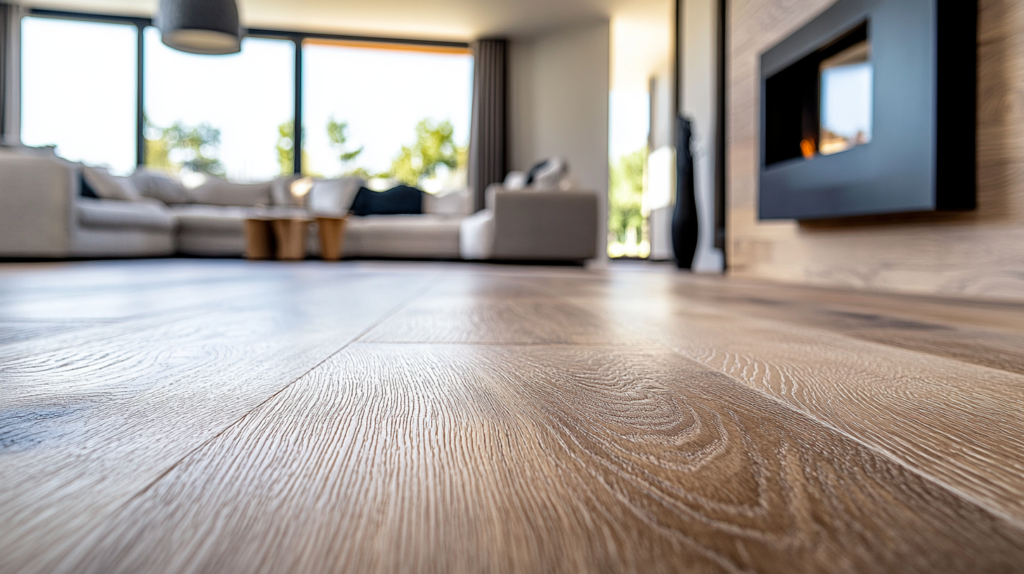
If you have walked through a flooring showroom lately, or even just scrolled through home renovation photos online, you have probably noticed how much luxury vinyl plank (LVP) flooring is showing up. LVP flooring has become one of the fastest-growing flooring choices for homeowners, and it is easy to understand why. Modern LVP looks remarkably close to real hardwood while offering impressive durability, water resistance, and a lower overall cost.
Still, no flooring material is perfect, and LVP is no exception. What works beautifully in one home might be the wrong call in another, and the difference usually comes down to how you live, where the flooring is going, and what you want out of your home long term.
Whether you are finishing a basement, updating a kitchen, or replacing worn flooring throughout the house, understanding both the advantages and the drawbacks of LVP will help you make a smart investment instead of a rushed one.
At Ulta Home, we have installed flooring in homes throughout MetroWest Boston, from Ashland and Framingham to Newton-Wellesley and Westborough, and we have seen firsthand where LVP shines and where another material serves a family better. This guide walks through what luxury vinyl plank flooring actually is, where it performs well, where it falls short, and how it compares to hardwood and laminate, so you can decide with confidence.
LVP Flooring at a Glance
Short on time? Here is the quick version. This table sums up the biggest strengths and weaknesses of LVP flooring, and we will dig into each one in more detail below.
| Pros | Cons |
| Water-resistant and waterproof options | Cannot be refinished |
| Affordable | Can dent under heavy furniture |
| Easy to maintain | Lower resale value than hardwood |
| Comfortable underfoot | Some products fade with prolonged UV exposure |
| Excellent for families and pets | Quality varies significantly between manufacturers |
| Wide variety of styles | May not suit historic or luxury homes |
If a few of those pros jumped out at you, keep reading. The details matter, especially when it comes to quality differences between products.
What Is Luxury Vinyl Plank Flooring?
Luxury vinyl plank flooring is a multi-layer flooring product designed to replicate the appearance of natural hardwood while standing up better to moisture, scratches, and everyday wear. Unlike the sheet vinyl you might remember from older kitchens, LVP comes as individual planks that lock together, so the finished floor has the realistic look of wood, plank by plank, right down to the texture and grain.
Most quality LVP products are built in four layers: a clear protective wear layer on top, a printed decorative layer that gives the plank its wood look, a rigid waterproof core, and a backing layer that adds stability and a bit of cushion underfoot. That wear layer is worth paying attention to when you shop. Its thickness is one of the biggest factors in how long the floor will actually last, and it is one of the places where budget products quietly cut corners.
The Pros of LVP Flooring
So why are so many homeowners choosing LVP? Here are the six advantages we point to most often when we are helping families compare materials.
1. Affordable without looking cheap. LVP typically costs a fraction of what hardwood does, both in materials and installation. And because the printing and texturing technology has come so far, a well-chosen LVP floor can be hard to tell from real wood at a glance. For homeowners updating multiple rooms at once, that price difference adds up fast.
2. Water resistance makes it extremely versatile. This is the big one. Many LVP products are fully waterproof, which means you can install the same flooring in your kitchen, bathroom, and finished basement without worrying about spills, humidity, or the occasional tracked-in snow. In New England, where wet boots and damp basements are just part of life, that peace of mind matters.
3. Durable enough for busy families. A quality wear layer shrugs off the daily traffic of kids, pets, and everything they drag in with them. Scratches and scuffs that would show on hardwood often never register on LVP, which is why it has become a go-to for households that put their floors through real use.
4. Comfortable underfoot. LVP has a slight give to it that hardwood and tile do not. It also stays warmer than tile in the winter, something you will appreciate on a cold February morning. Many products can be paired with an underlayment that adds even more cushion and helps quiet footsteps.
5. Easy maintenance. There is no waxing, refinishing, or special treatment involved. Regular sweeping and an occasional damp mop keep LVP looking its best. For homeowners who want beautiful floors without a maintenance routine, that simplicity is a genuine selling point.
6. Huge variety of styles and finishes. From wide-plank white oak looks to rich walnut tones, LVP comes in nearly every style you can picture. If you have a specific vision for a room, chances are there is an LVP product that matches it.
The Cons of LVP Flooring
Now for the honest part of the conversation. LVP is a great fit for a lot of homes, but there are real trade-offs to weigh before you commit.
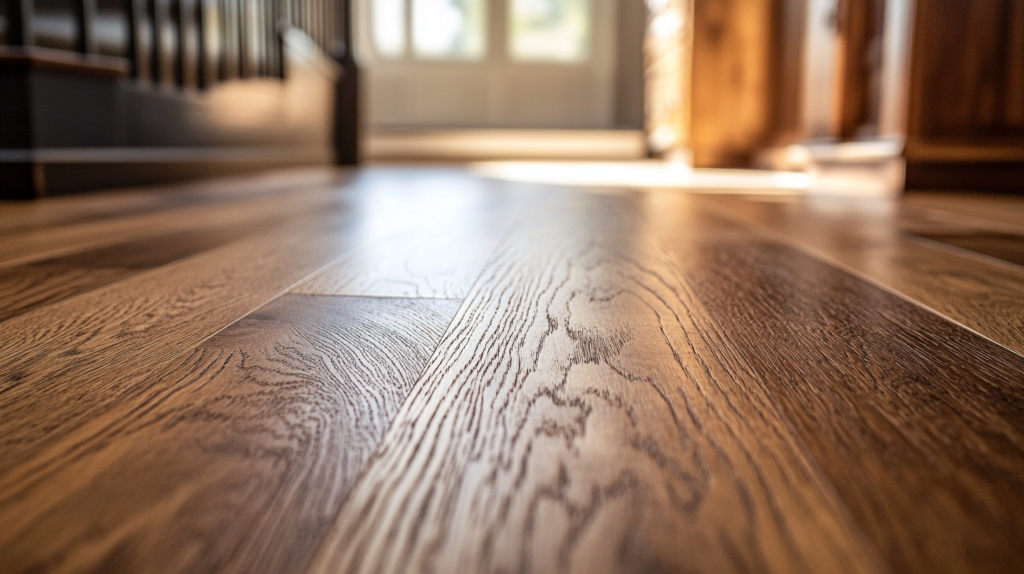
1. It cannot be refinished. When hardwood gets scratched or dull, you can sand and refinish it, sometimes several times over its life. LVP does not offer that option. Once the wear layer is worn through or a plank is badly damaged, replacement is the only fix. The good news is that plank-style installation makes replacing individual boards fairly straightforward, but it is still a fundamental difference from wood.
2. Quality varies significantly between manufacturers. This is the con that catches homeowners off guard most often. Two LVP products can look nearly identical in the store and perform completely differently five years later. Wear layer thickness, core construction, and locking system quality all vary widely, and the cheapest option is rarely the value it appears to be. This is where working with an experienced installer pays off, because we have seen which products hold up in real homes.
3. Heavy furniture can dent it. LVP’s slight softness is a plus underfoot but a weakness under concentrated weight. Heavy furniture legs, appliances, and pianos can leave permanent dents over time. Furniture pads and a little planning go a long way here.
4. Direct sunlight may cause fading. Some LVP products will fade or discolor with years of prolonged UV exposure. If you have a sun-drenched room with big south-facing windows, it is worth choosing a product with UV-resistant coating and using window treatments during peak sun.
5. Hardwood generally provides greater long-term resale value. Buyers in the Greater Boston market still tend to place a premium on real hardwood, especially in older and higher-end homes. LVP presents beautifully and will not hurt your sale, but if maximizing resale value is your top priority, hardwood usually carries more weight with buyers and appraisers.
LVP vs. Hardwood
This is the comparison most homeowners are really weighing, so let us put the two side by side.
| Feature | LVP | Hardwood |
| Water Resistance | Excellent | Poor |
| Maintenance | Easy | Moderate |
| Cost | Lower | Higher |
| Lifespan | 20-30 years | 50+ years |
| Can Be Refinished | No | Yes |
| Pet Friendly | Excellent | Good |
The short version: LVP wins on practicality and upfront cost, while hardwood wins on longevity and long-term value. Neither answer is wrong. It comes down to how long you plan to stay in your home, which rooms you are updating, and how much daily wear your floors need to handle.
LVP vs. Laminate Flooring
LVP and laminate get confused constantly, and it is an understandable mix-up. Both are affordable, both mimic hardwood, and both install as click-together planks. The key difference is how they handle moisture.
LVP offers fully waterproof options and performs well in moisture-prone spaces like bathrooms, basements, and mudrooms. Laminate has a wood-based core, which means it can swell and warp when exposed to significant moisture, so it is generally better suited to dry rooms like bedrooms and living areas. If the room you are updating ever sees water, whether from a leaky boot tray or a humid basement, LVP is usually the safer choice of the two.
Best Places to Install LVP
Because of its water resistance and durability, LVP earns its keep in the hardest-working rooms of the house. These are the spaces where we recommend it most often:
Notice a pattern? These are the rooms where spills, moisture, and heavy traffic are a given. LVP lets you get the warm look of wood in spaces where real hardwood would be a risky choice, which is a big part of why basement finishing projects around MetroWest so often include it.
Where Hardwood May Be the Better Choice
That said, there are situations where we will honestly tell you to skip the LVP and invest in the real thing:
- Historic homes
- Maximum resale value
- Homes where refinishing is desired
- Luxury custom homes
In a 1920s colonial in Newton-Wellesley or a high-end custom build, authentic hardwood preserves the character and value of the home in a way LVP cannot fully match. And if you love the idea of a floor you can refinish and refresh for decades, hardwood is the material built for that. The right answer depends on the home, and a good contractor should be upfront with you about which material genuinely fits.
LVP Flooring Installation in MetroWest Boston: Is It Right for Your Home?
Luxury vinyl plank flooring offers an outstanding combination of style, durability, water resistance, and affordability. For many homeowners, it delivers the look of hardwood with far less maintenance and far less worry, especially in kitchens, basements, and the other hardworking rooms of the house. For others, particularly in historic or high-end homes, hardwood remains the better long-term investment.
The honest answer is that it depends on your home, your rooms, and how you live in them. If you are considering new flooring anywhere in MetroWest Boston, Ulta Home can help you compare materials side by side, view samples in your own space, and choose the option that truly fits your home, lifestyle, and budget. Reach out anytime. We are happy to talk it through. Contact Us Today.
Frequently Asked Questions
Is LVP waterproof?
Many modern LVP products are fully waterproof, though standing water should still be cleaned up promptly. Waterproof refers to the planks themselves; water that sits long enough can still find its way to the subfloor through seams and edges.
Does LVP scratch easily?
Quality LVP is highly scratch resistant, especially products with thicker wear layers. Pets, chairs, and everyday traffic rarely leave a mark on a well-made plank, which is one reason it is so popular with busy families.
Can you install LVP over concrete?
Yes, and it is one of LVP’s most common uses, particularly in basement finishing. The concrete needs to be clean, level, and properly prepared first, and a moisture barrier or appropriate underlayment is often recommended for below-grade installations.
Can LVP increase home value?
Fresh, well-installed LVP absolutely improves a home’s appeal and presents beautifully in listings. That said, hardwood typically carries greater resale value with buyers in the Boston market, so weigh your timeline and goals.
How long does LVP flooring last?
High-quality LVP often lasts 20 to 30 years with proper care. Budget products with thin wear layers may show their age much sooner, which is why product selection matters as much as installation.
What thickness should I choose?
Thicker planks with a durable wear layer are recommended for most homes. For busy households, we generally suggest a wear layer of at least 12 mil, and 20 mil or more for high-traffic areas and homes with pets.