
Nobody picks out a shutoff valve on Pinterest.
When homeowners plan a kitchen or bathroom remodel, the conversation usually starts with cabinets, tile, and countertops. Understandable. That is the part you get to look at every day. But before any of it goes in, there is a layer of work behind the walls that decides more about your budget and timeline than almost any finish you choose. That layer is plumbing.
Here is what happens on the plumbing side of a remodel, and why the decisions you make early can save you real money.
The Biggest Cost Decision: Will Anything Move?
One question shapes the plumbing scope of every remodel we do: are the sink, dishwasher, toilet, or shower staying where they are, or are they moving?
If everything stays put, the plumbing work is focused and predictable. New fixtures connect to existing lines, and most of the effort goes into doing that cleanly. Our Natick Kitchen Reimagined is a good example. The layout stayed, the plumbing stayed, and the budget went into the things the family sees every day.
Moving things is a different story. Relocating a sink means rerouting supply lines and, more importantly, the drain, which must maintain proper slope to work. Moving a toilet involves the largest drain line in the room. None of this is a reason not to do it. Some layouts are worth changing. But it is the difference between a plumbing day and a plumbing week, and you should know that before you fall in love with a floor plan.
What Plumbing Rough-In Actually Involves
Rough-in is the work that happens while the walls and floors are open, before anything pretty shows up. On a typical kitchen or bath remodel, that could include:
- Running or rerouting hot and cold supply lines to each fixture location
- Setting drain and vent lines with the correct slope and connections
- Placing connections for the dishwasher, ice maker, garbage disposal, or washer if the project includes them
- Pressure testing everything before the walls close
That last one matters more than people realize. Testing while everything is exposed means a problem is a quick fix instead of a hole in brand new tile.
The Smart Work to Do While the Walls Are Open
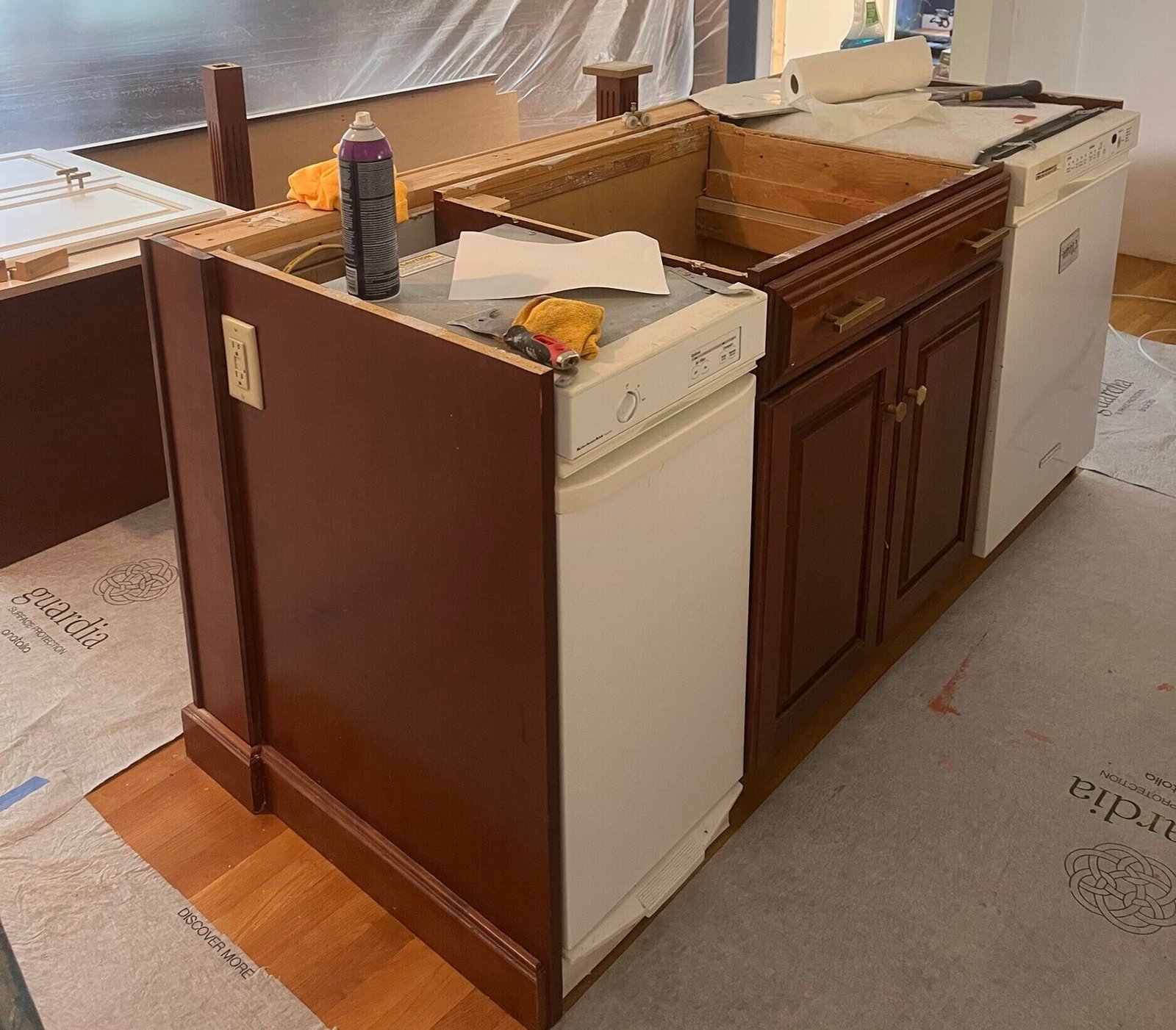
A remodel is the cheapest moment you will ever have to fix plumbing you cannot normally reach. Once the walls are open, a few upgrades cost a fraction of what they would as standalone projects:
- Replacing old shutoff valves that have seized up or never worked well
- Swapping aging sections of pipe before they become a leak behind a finished wall
- Upgrading undersized drain lines that have caused slow sinks for years
Why One Crew Beats Two Contractors
Plenty of remodels stall in the handoff. The carpenter is waiting on the plumber, the plumber is booked until Thursday, and the schedule slips a week at a time. It is nobody’s fault. It is just what happens when two separate companies share one job.
This is why we brought plumbing in-house. Our licensed plumbing and heating team works the same schedule as our carpenters and painters, so rough-in happens when the project needs it, not when a subcontractor frees up. One crew, one timeline, one person to call.
Planning a Kitchen or Bath Project?
The pretty part of a remodel only stays pretty if the work behind it was done right. Our plumbing and heating team handles that side of every Ulta Home remodel, and they are available for standalone plumbing work too.
Call us at (978) 652-3398 or send us a message to talk through your project. We will walk you through what your remodel involves behind the walls, before you commit to anything.
Common Questions About Remodel Plumbing
Does a permit cover the plumbing in my remodel?
Plumbing work in Massachusetts requires its own permit, pulled by a licensed plumber. A contractor who handles this for you, and can tell you exactly what is being permitted, is a good sign. One who waves it off is not.
Can I keep my remodel cheaper by not moving any plumbing?
Usually, yes. Keeping fixtures in place is one of the most reliable ways to control remodel costs. The right answer depends on whether your current layout actually works, which is worth an honest conversation before design starts.
Should I replace old pipes during a remodel even if they are not leaking?
If the walls are opening up anyway and the pipe is near the end of its life, it is often the cheapest chance you will get. We will tell you what we see once things are open and let you decide with real information.
[RK1]link to plumbing page